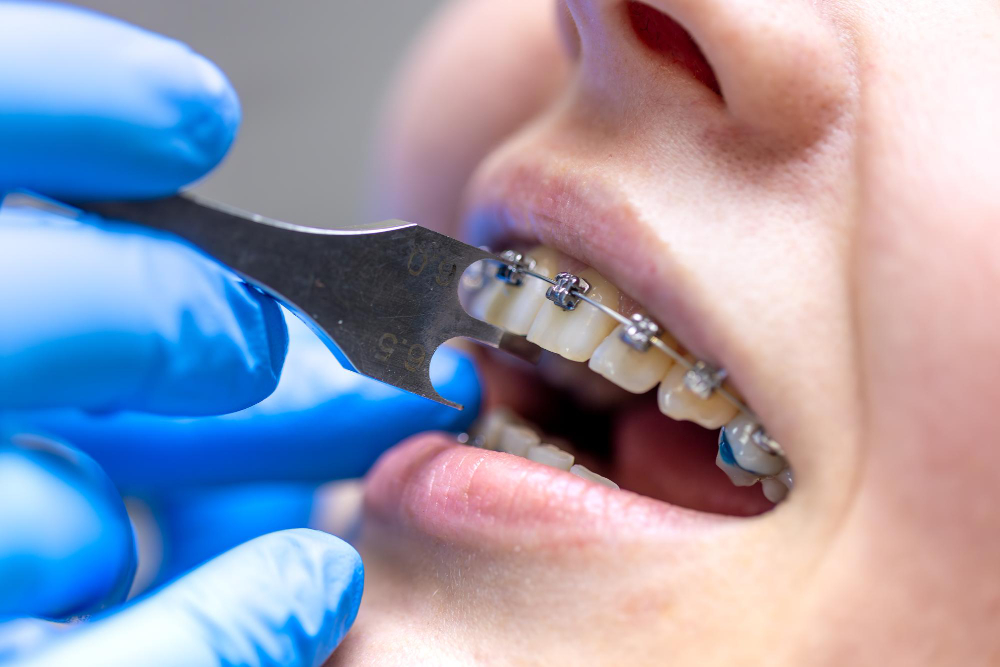
Many people wonder, “when are braces indicated?” Braces are a common orthodontic treatment that helps fix crooked teeth, overbites, and other dental issues. While some signs are easy to spot, others may need a dentist’s help. In this blog, you will learn about the signs, dental conditions, and what to expect when considering dental braces. If you are looking for braces in your area, this guide will help you understand when to seek care.
What Are Braces?
Braces are special dental devices that help straighten teeth and fix bite problems. Dentists and orthodontists use them to move teeth into better positions. Because braces work slowly, they gently shift teeth over time. There are several types of braces, such as metal, ceramic, and clear aligners. Although each type works differently, all aim to improve your smile and oral health.
Common Signs You May Need Braces
Sometimes, it is easy to see when braces are needed. However, some signs are less obvious. For example, you may notice:
Additionally, if you feel self-conscious about your smile, braces may help. Early signs can appear in children as their adult teeth grow in. Yet, adults can also benefit from braces if these issues develop later.
Dental Conditions That Indicate Braces
Several dental conditions may mean braces are needed. Dentists look for these problems before suggesting orthodontic treatment:
According to the World Health Organization, untreated dental issues can lead to tooth decay and gum disease. Therefore, early orthodontic care can prevent bigger problems later.
How Dentists Diagnose the Need for Braces
First, dentists perform a full dental exam. They look at your teeth, bite, and jaw. Next, they may take X-rays or digital scans to see the roots and bone structure. Sometimes, dentists use molds to make a model of your teeth. After gathering this information, they decide if braces or another orthodontic treatment is best. In some cases, they may refer you to a specialist called an orthodontist. This process helps create a plan that fits your needs.
Treatment Process and What to Expect
Once braces are recommended, the dentist explains the steps. Usually, the process starts with cleaning and preparing your teeth. Then, the dentist places brackets and wires or fits clear aligners. Over time, you will visit the office for adjustments. These visits help move your teeth safely. Most people wear braces for one to three years. However, the exact time depends on your dental needs. After braces are removed, you may need a retainer to keep your teeth in place. Although the process takes time, many people find the results worth it.
Prevention and Early Intervention Tips
While not all dental issues can be prevented, early care helps. For example, children should visit the dentist by age seven, as suggested by the American Association of Orthodontists. Early visits help spot problems before they get worse. Additionally, good oral hygiene can prevent tooth decay and gum disease. Here are some tips:
Because early action can make treatment easier, talk to your dentist if you notice any signs. In many cities, you can find orthodontic care for both children and adults. Preventing dental issues now can help you avoid braces later.
Conclusion:
Braces can help correct dental concerns like crowded teeth, gaps, bite problems, and misalignment. Early orthodontic evaluation helps identify the need for treatment and plan the right approach for achieving better bite function and a healthier smile.
Wondering if braces are right for you or your child?
Consult Dr. Ravi Ahuja for expert orthodontic evaluation and personalised braces treatment guidance.