Introduction
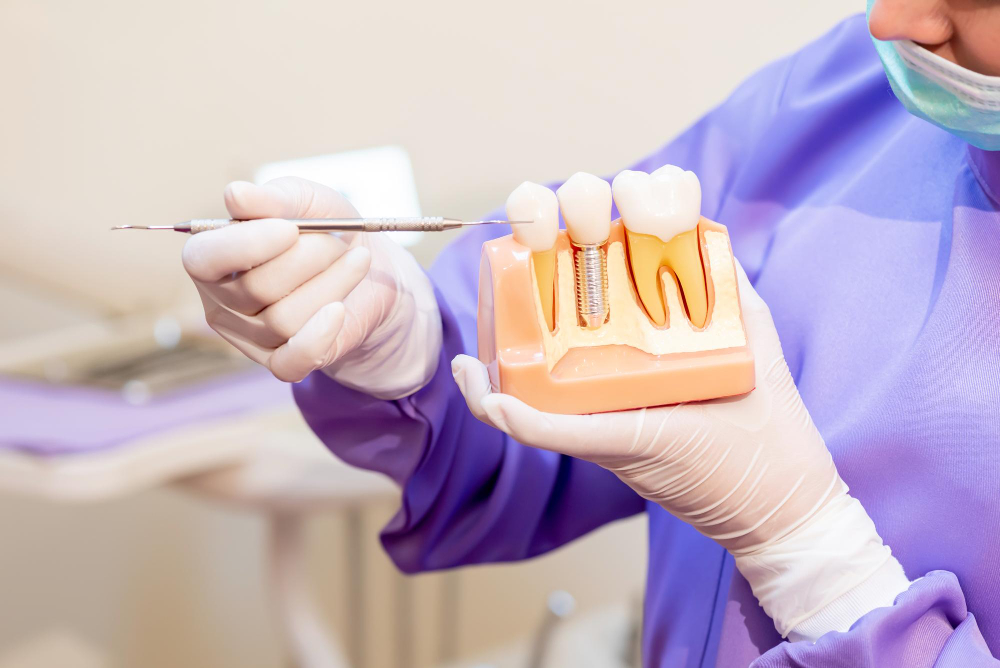
Dental implants are artificial tooth roots placed in your jaw. They support replacement teeth and help restore your smile. However, dental implant care is very important for long-term success. With proper care, implants can last many years. But without it, problems may develop. This guide explains how to care for your dental implants and what to expect during recovery.
Symptoms of Implant Issues
Sometimes, dental implants may develop problems. Early signs can help you act quickly. For example, you may notice:
If you notice any of these symptoms, contact your dentist soon. Early treatment can prevent bigger issues.
Causes of Implant Complications
Several factors can lead to implant problems. For instance, poor dental hygiene is a common cause. In addition, smoking can slow healing and increase infection risk. Sometimes, health conditions like diabetes may affect recovery. Also, biting hard foods or teeth grinding can damage implants. Understanding these causes helps you avoid them.
Diagnosis and Monitoring After Implant Placement
After your dental implant is placed, regular check-ups are important. Dentists use X-rays to check the implant and bone. They also look for signs of infection or gum disease. During each visit, your dentist will:
Because early detection is key, always attend your scheduled appointments.
Step-by-Step Maintenance Guide for Dental Implants
Proper dental implant maintenance keeps your mouth healthy. Follow these steps every day:
With these steps, you can help prevent infection and keep your implant strong.
Recovery Process and Timeline
After implant surgery, healing takes time. Usually, the first stage lasts a few days. You may feel mild pain or swelling. However, this should improve within a week. Over the next few months, the implant bonds with your bone. This process is called osseointegration. Most people can return to normal eating after a few weeks. But full healing may take three to six months. Always follow your dentist’s recovery tips for the best results.
Lifestyle Tips for Long-Term Implant Health
Healthy habits support your dental implant for years. For example:
By making these changes, you protect your implant and your overall oral health.
Prevention of Common Problems
Preventing issues is easier than treating them. Therefore, always:
With these steps, you lower your risk of infection and other complications.
When to Consult a Dentist
Sometimes, problems can happen even with good dental implant care. You should contact your dentist if you notice:
Early help can prevent serious issues. Never ignore symptoms or delay care.
Consult a dental specialist Dr. Ravi Ahuja for personalized dental implant care advice.